Water damage restoration, Contra Costa County
Water Damage Restoration Walnut Creek, CA
24/7 water damage restoration in Walnut Creek, CA. The restoration team extracts standing water, dries the structure to the IICRC S500 standard and documents every step for your insurance claim.
(888) 774-9605Start the Walnut Creek dry-out now- 24/7 dispatch
- IICRC S500 drying standard
- Truck-mounted extraction
- Daily moisture readings
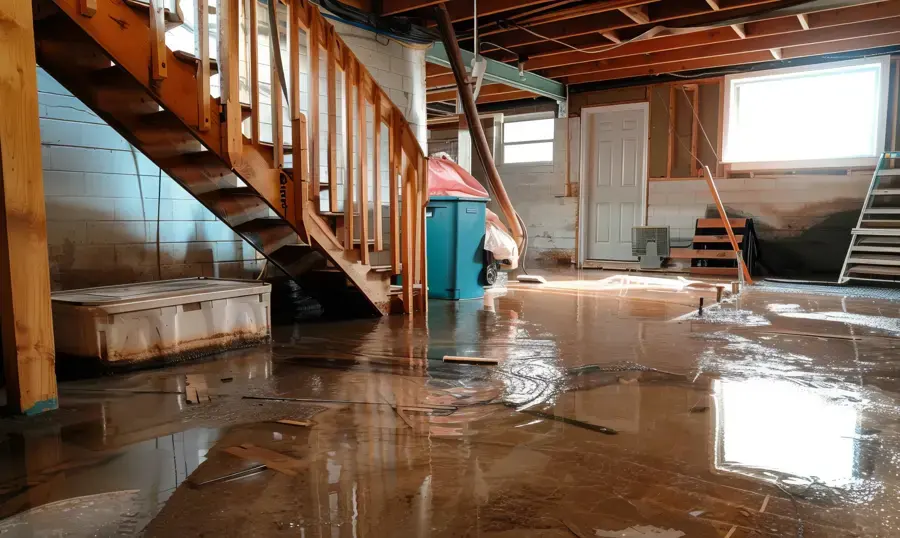
The first 60 minutes
What to do while the water is still moving
- 1
Shut off the water
Close the fixture valve or the main shutoff, usually by the front hose bib or in the garage.
- 2
Kill wet circuits
If the panel is dry and safe to reach, switch off breakers feeding wet rooms.
- 3
Stay out of deep water
Keep clear of standing water near outlets, cords and appliances.
- 4
Photograph first
Take photos of the water and the damage before anything is moved or thrown out.
- 5
Lift and call
Pull rugs and cushions off wet floors, put foil under furniture legs, then call.
Wet drywall, carpet backing and framing can start growing mold within 24 to 48 hours, so the first call matters more than the first repair.
What the local pros handle
Water Damage Restoration Services in Walnut Creek, CA
Water and sewage only. Each service below has its own page with first steps, typical costs and the drying plan.
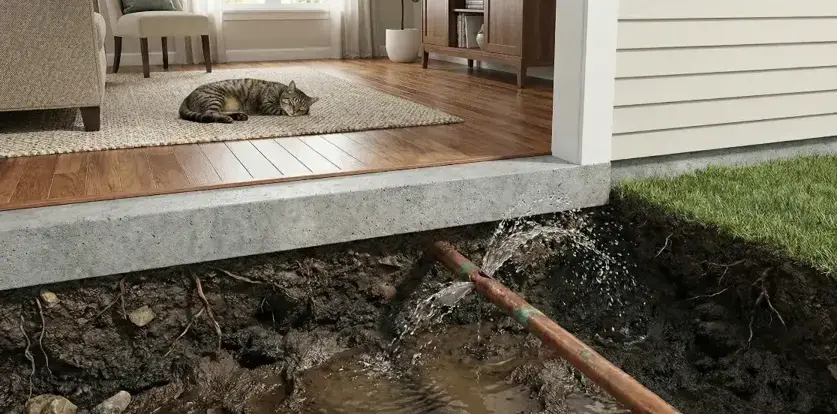 Common in Walnut Creek
Slab Leak Water Damage
Hot and cold lines under the slab on adobe clay, with the flooring on top dried or lifted.
See the service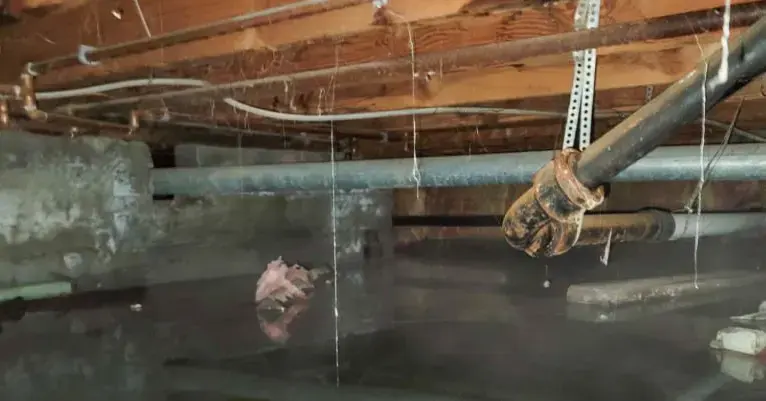 Common in Walnut Creek
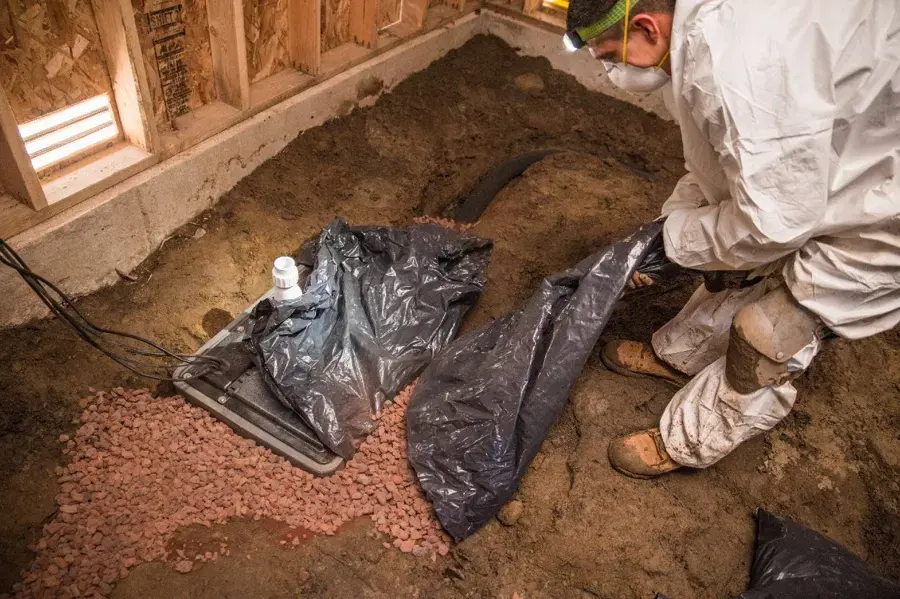
Crawl Space Water Removal
Water under raised ranch-home floors pumped out and the joists and subfloor dried.
See the service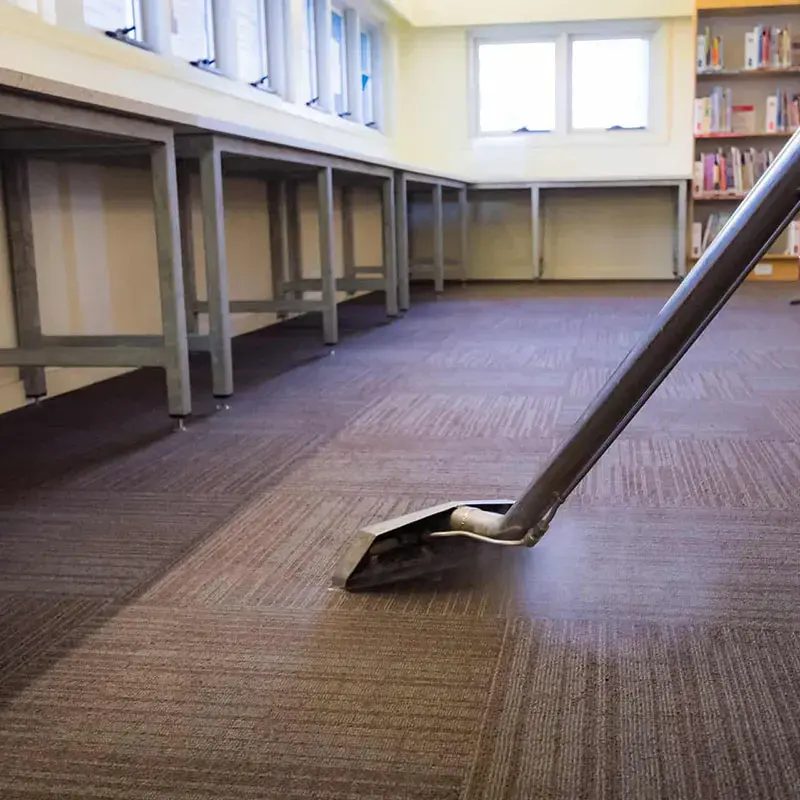
Water Extraction & Removal
Standing water pulled out of carpet, pad and hard floors before it wicks into walls.
See the service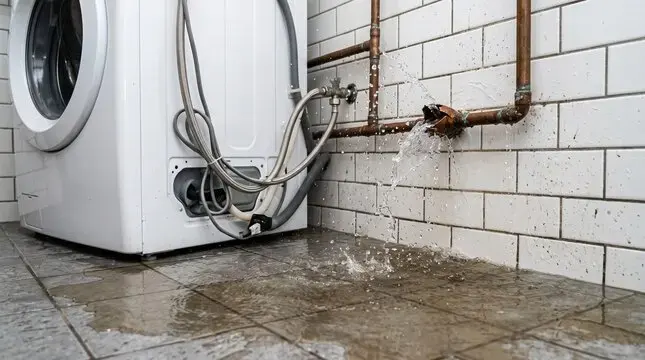
Burst Pipe Water Damage
Split supply lines in walls and ceilings, from galvanized to copper, extracted and dried.
See the service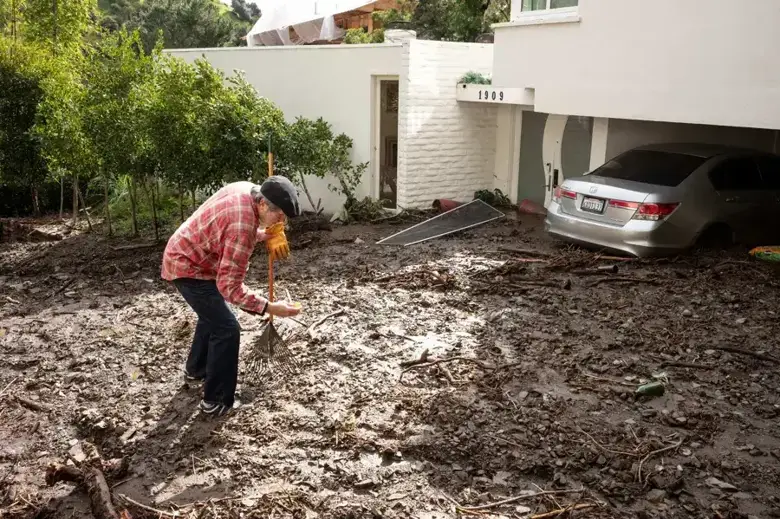
Hillside Runoff Water Intrusion
Storm runoff off the slope and water pushed against the foundation, cleaned and dried.
See the service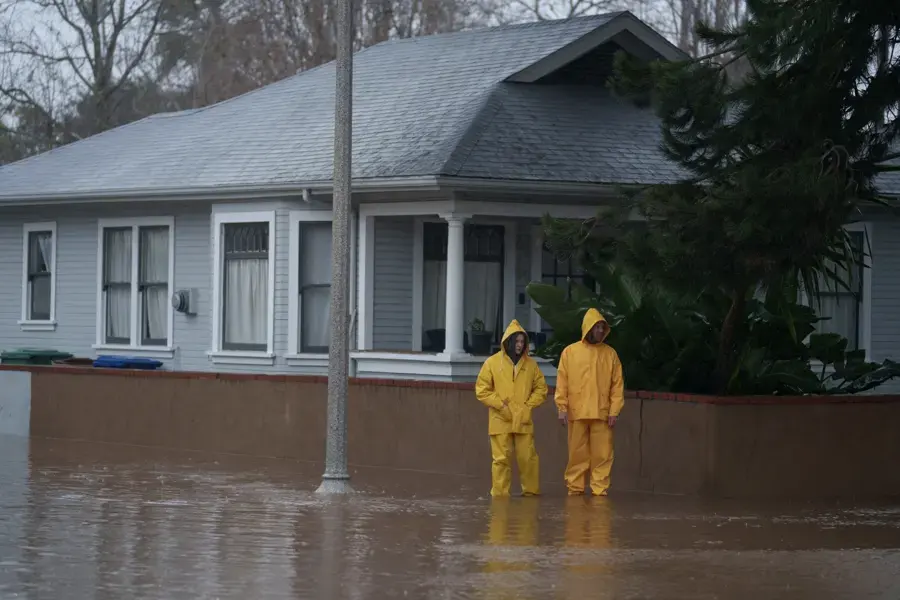
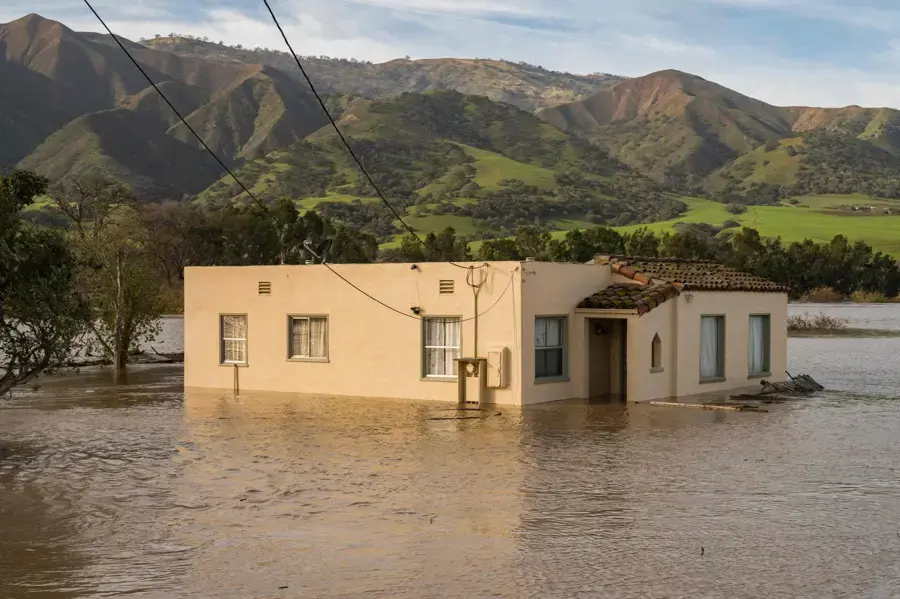
Storm & Creek Flooding Cleanup
Rising surface water near the creeks, mud-out, sanitizing and structural drying.
See the service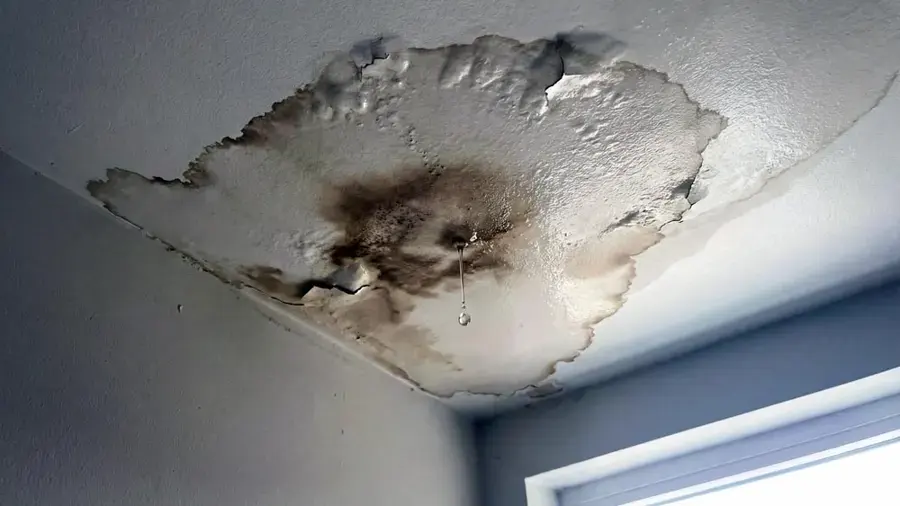
Roof Leak Water Damage
Atmospheric river rain through the roof into attic insulation and ceilings.
See the service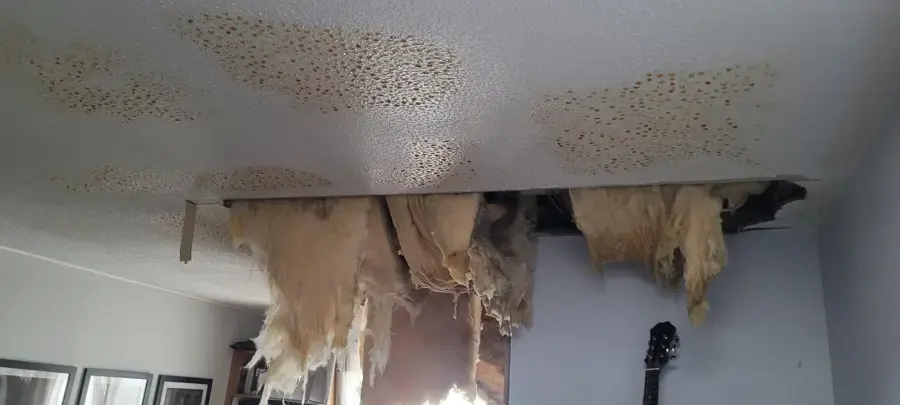
Condo & Townhome Leak Water Damage
Unit-above leaks and shared walls in Rossmoor and downtown buildings, mapped unit by unit.
See the service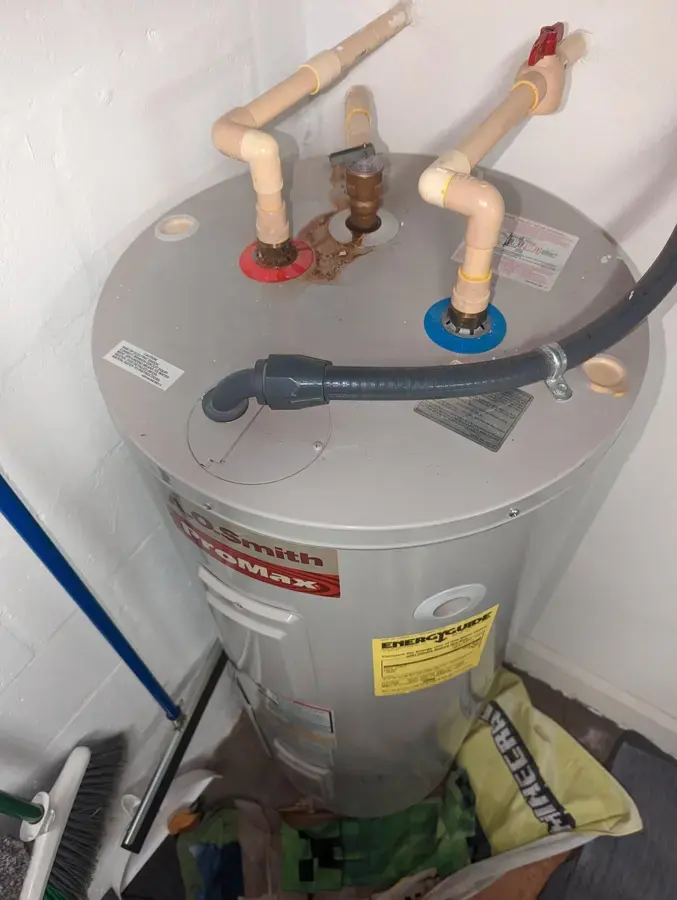
Water Heater Leak Cleanup
Tank failures in garages, hall closets and attics, extracted before the drywall wicks.
See the service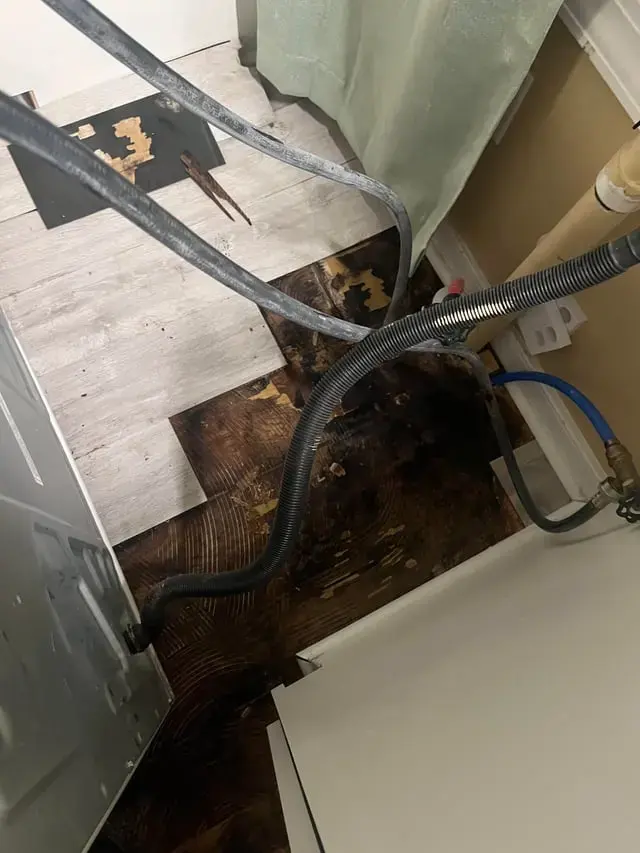
Appliance Leak Water Damage
Washer, dishwasher and fridge line leaks under cabinets and toe kicks, dried in place.
See the service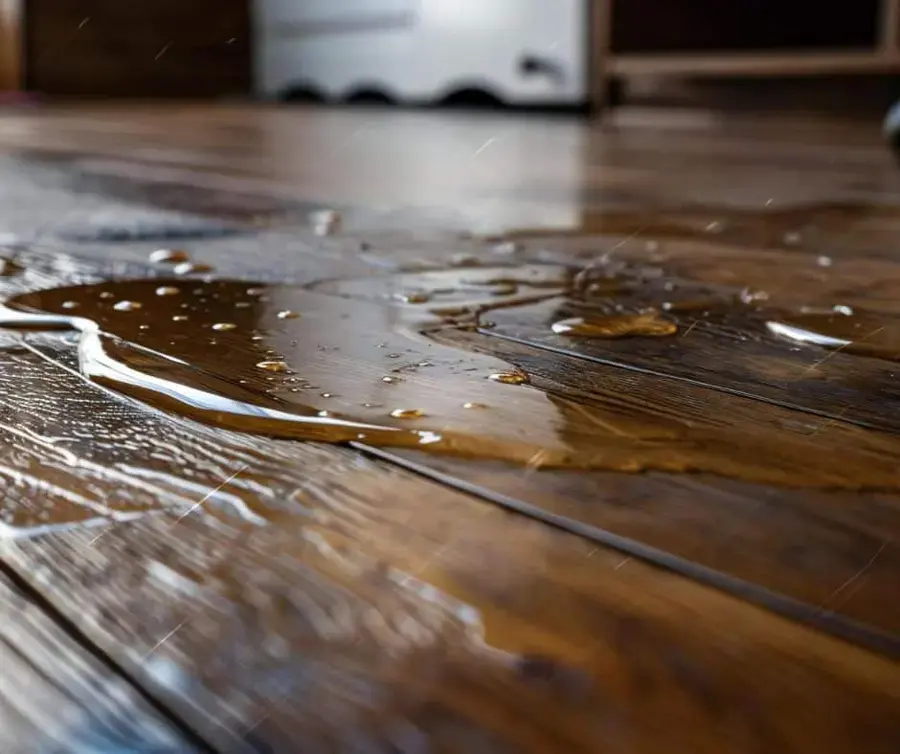
Hardwood Floor Water Damage
Oak and engineered floors caught before cupping sets, dried with floor mats.
See the service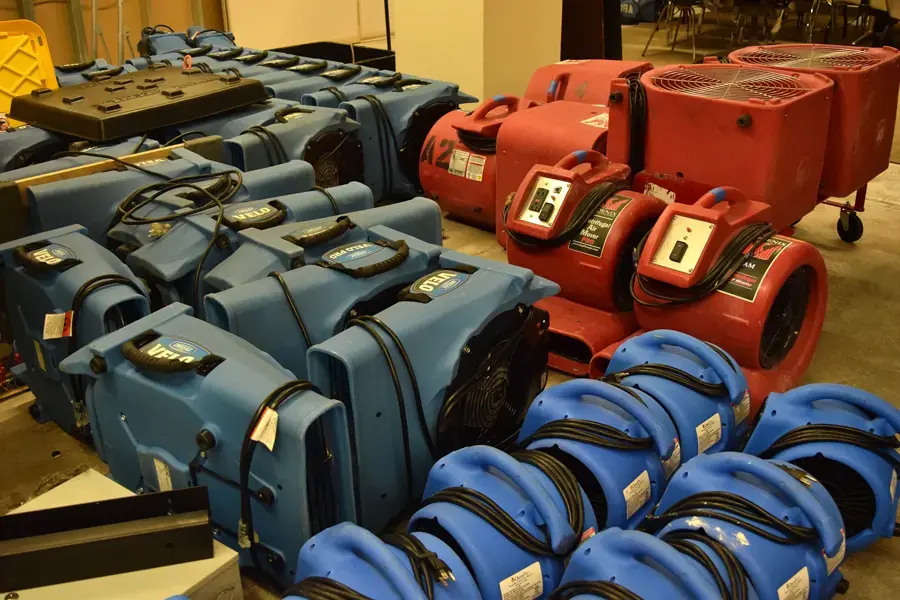
Structural Drying & Dehumidification
Framing, subfloor and wall cavities dried to the IICRC S500 goal with LGR dehumidifiers.
See the service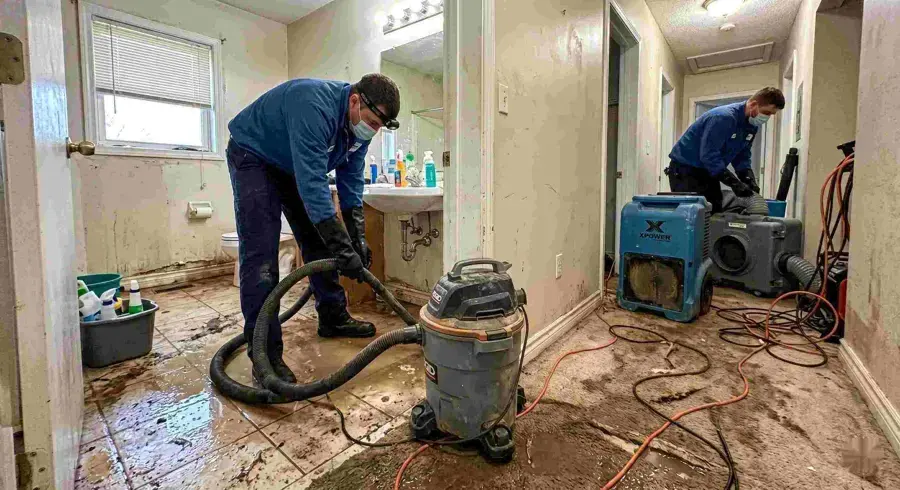
Sewage Backup Cleanup
Category 3 backups contained, porous materials removed and surfaces disinfected.
See the service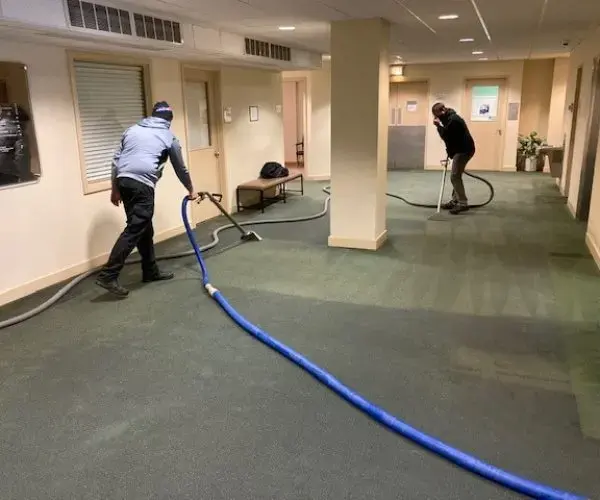
Commercial Water Damage
Offices, retail and medical suites dried around business hours with logged readings.
See the serviceHow a water loss is handled
Water damage dried to the IICRC S500 standard
What separates a finished dry-out from a cosmetic one is the order of the work. Structural drying, not just surface drying: the equipment stays until the readings say dry.
- 1
Moisture mapping
The tech who does the walkthrough uses thermal imaging and pinless meters to map what is actually wet before any equipment goes down.
- 2
Extraction
The extraction crew pulls standing water with truck-mounted units, so the water leaves the building instead of moving to the next room.
- 3
Air movers and LGR dehumidifiers
The drying team sizes air movers to each room's evaporation load and runs LGR dehumidifiers, with desiccants for Class 4 materials.
- 4
Daily readings and dry verification
Most crews record readings daily and pull equipment only once wet materials sit within 2 to 4 points of a dry reference material.
- Day 0Mapping, extraction, equipment set
- Days 1 to 3Daily readings, equipment adjusted
- Days 3 to 5Typical dry goal for a contained loss
- After dryRepairs start on dry framing
A contained Class 1 loss usually dries in three to five days; hardwood, plaster and concrete take longer. Class 1 through 4 sets how much equipment a room needs.
- Truck-mounted extraction
- Air movers
- LGR dehumidifiers
- Desiccants for Class 4
- Thermal imaging and pinless meters
- Daily drying logs
Category 1, 2 and 3 water
All water damage categories covered in Walnut Creek, CA
Category 1, clean water
Supply lines, water heaters and appliance hoses. Often dried in place when caught early.
Category 2, gray water
Washer drains, dishwasher discharge and toilet overflows without waste. Cleaned before drying.
Category 3, black water
Sewage and outside floodwater. Porous materials it touched get removed, not dried.
Sewage backup cleanupTypical cost ranges
What does water damage restoration cost in Walnut Creek, CA?
In Walnut Creek, CA, water damage restoration typically runs $1,000 to $10,000 or more, depending on the water category, how far the water spread, the material class and how fast drying started.
Minor, one area
$1,000 to $3,000
- Clean water, one room
- Extraction and drying in place
- Daily moisture readings
Moderate, several rooms
$3,000 to $7,000
- Carpet pad or baseboards out
- Wall cavity drying
- LGR dehumidifiers
Major or contaminated
$7,000 to $10,000+
- Category 3 removal
- Crawl space or slab drying
- Full claim documentation
What moves the number
- Category of water: clean, gray or black
- Square footage that got wet
- Material class: carpet, drywall, hardwood, plaster, concrete
- Hours between the leak and the first extraction
Get a range for your own loss with the water damage cost calculator. These are typical ranges for the trade, not a quote.
Insurance
Documentation for your insurance claim
A water claim is decided on the file, not on the phone call. A complete file carries:
- The moisture map from day one
- Daily psychrometric logs and moisture readings
- Timestamped photos taken before any demolition
- The category and class of the loss
- A line-item scope in the format adjusters expect
Sudden and accidental discharge, a burst supply line for example, is treated differently from rising surface water, which falls under flood coverage.
Coverage depends on your policy, so it is worth checking with your own insurer. Ask the restoration contractor who responds what documentation comes with the job.
On the job
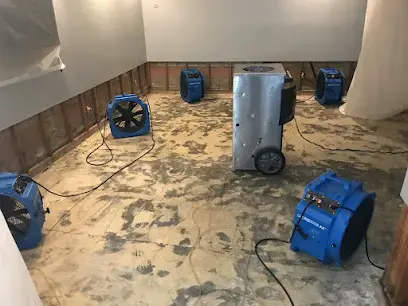
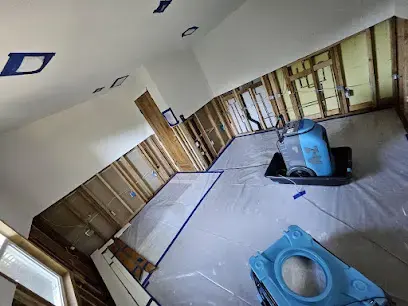
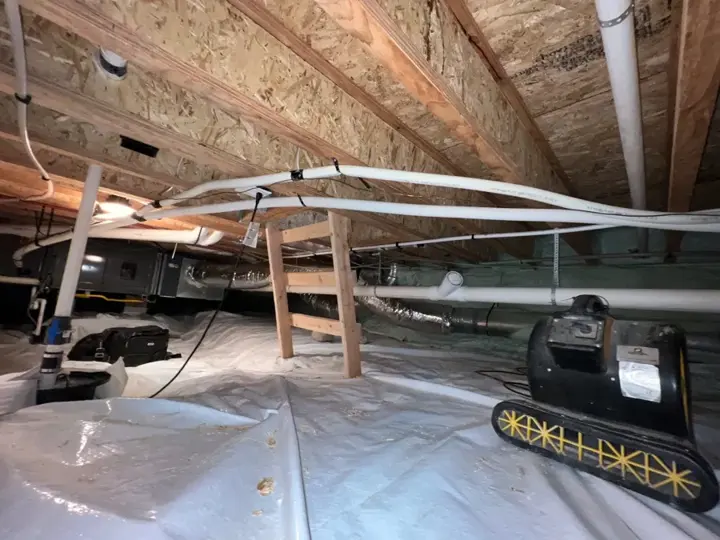
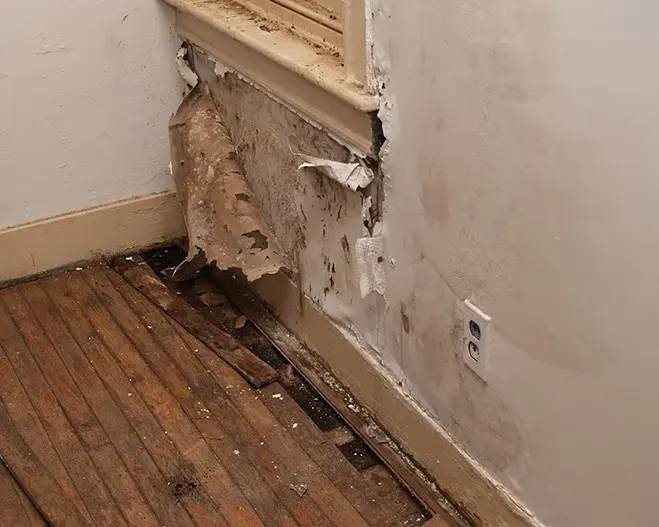
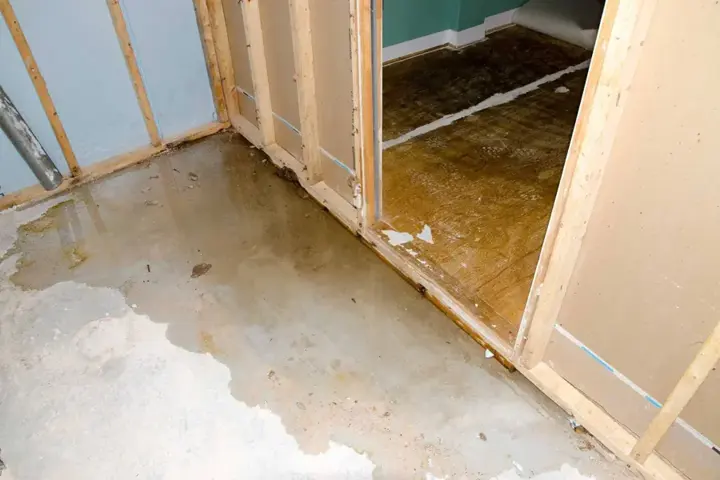
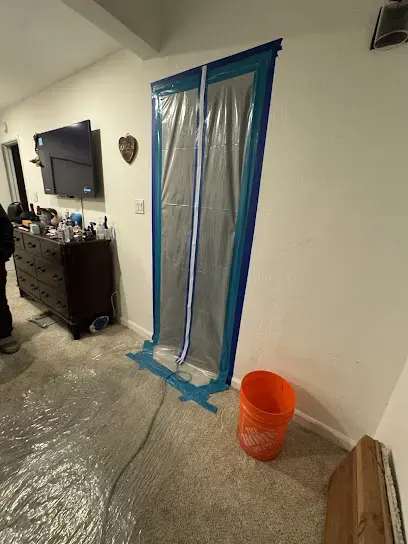
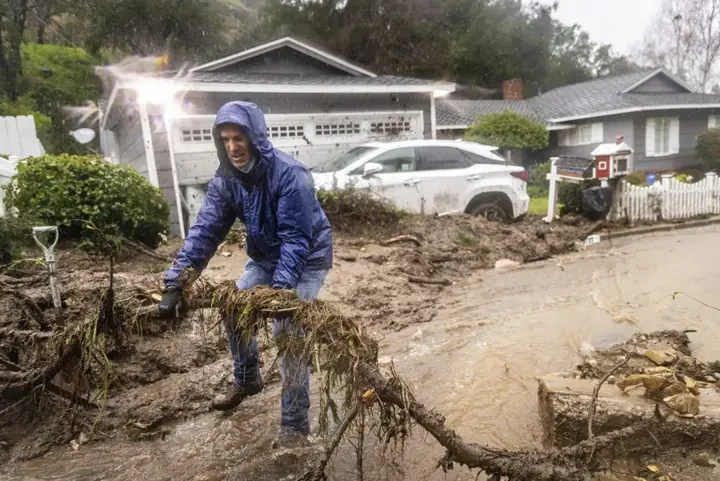
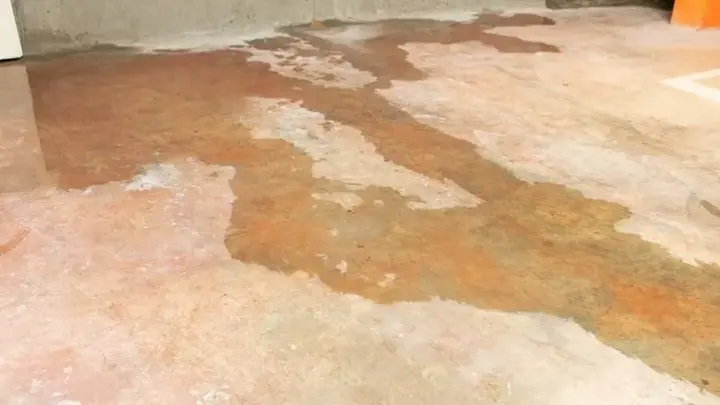
What a water damage dry-out looks like in Walnut Creek
Local conditions
Water damage in Walnut Creek, CA: the local risk profile
Walnut Creek sits in a bowl of oak-covered ridges below Mount Diablo, where three creeks meet downtown. The housing stock and the winter storms decide how water gets in.
Slab leaks on adobe clay
Tracts from the 1960s and 1970s sit on slabs over expansive clay that swells in winter and shrinks in summer, stressing copper lines under the concrete.
Crawl spaces under ranch homes
Postwar homes in Walnut Heights, Parkmead and Buena Vista sit on raised foundations, where runoff and pipe leaks pool out of sight.
Hillside runoff and creek rise
Atmospheric river storms from November to March saturate Shell Ridge, Lime Ridge and Acalanes Ridge, and Walnut Creek, San Ramon Creek and Las Trampas Creek run high.
Stacked plumbing in condos
Rossmoor and the downtown buildings share walls and plumbing stacks, so one failed supply line can reach two or three units.
Areas served
Walnut Creek water damage restoration experts, 24/7
The Walnut Creek restoration crew covers the whole city and the towns around it, from the downtown creek channels to the foothill streets below Shell Ridge.
- 94595
- 94596
- 94597
- 94598
Central Walnut Creek
South and west side
East side and the Diablo foothills
Nearby towns
Questions
Walnut Creek water damage questions, answered
How fast can someone respond to water damage in Walnut Creek?
Water damage calls are treated as urgent, 24/7, across Walnut Creek, Rossmoor, Saranap and the nearby towns. Stop the water and photograph the damage while you wait.
What should I do in the first hour?
Shut off the water, switch off breakers to wet rooms if the panel is dry, stay out of deep water near outlets, photograph everything and lift rugs off wet floors. Then call for extraction.
What causes most water damage in Walnut Creek homes?
Slab leaks in homes on adobe clay, crawl space water under older raised-foundation homes, storm runoff off the hills, leaks between condo units, and water heater and appliance failures.
How long does drying take?
A contained Class 1 or 2 loss usually dries in three to five days. Hardwood, plaster and concrete take longer. Equipment comes out when readings reach the drying goal, not on a set date.
What is IICRC S500?
IICRC S500 is the industry standard for water damage restoration. It sets how losses are classified by category and class, how drying is planned, and how dryness is verified.
Is water damage covered by insurance?
Sudden and accidental water, like a burst supply line, is commonly covered, while rising surface water usually needs a flood policy. Coverage depends on your policy, so check with your own insurer.
Does drywall always have to be cut out?
No. Clean water caught early can often be dried in place. Drywall and insulation come out when they are saturated, sagging or touched by Category 2 or 3 water.
Why is sewage handled differently?
Sewage is Category 3 the moment it happens. Porous materials it touched are removed, surfaces are disinfected with an EPA-registered antimicrobial, and only then does drying start.
What is the difference between mitigation and repair?
Mitigation stops the damage: extraction, drying and removal of ruined materials. Repair is the rebuild afterward: new drywall, paint and flooring once the structure is dry.
How is the cost worked out?
Cost follows the water category, the square footage that got wet, the material class and how fast drying started. The cost calculator gives a typical range for your situation.
24/7 emergency water removal
Water in your Walnut Creek home? Call now.
Extraction, structural drying to the IICRC S500 standard and claim-ready documentation, day or night across Walnut Creek and the Diablo foothills.