Structural drying and dehumidification
Structural Drying & Dehumidification in Walnut Creek, CA
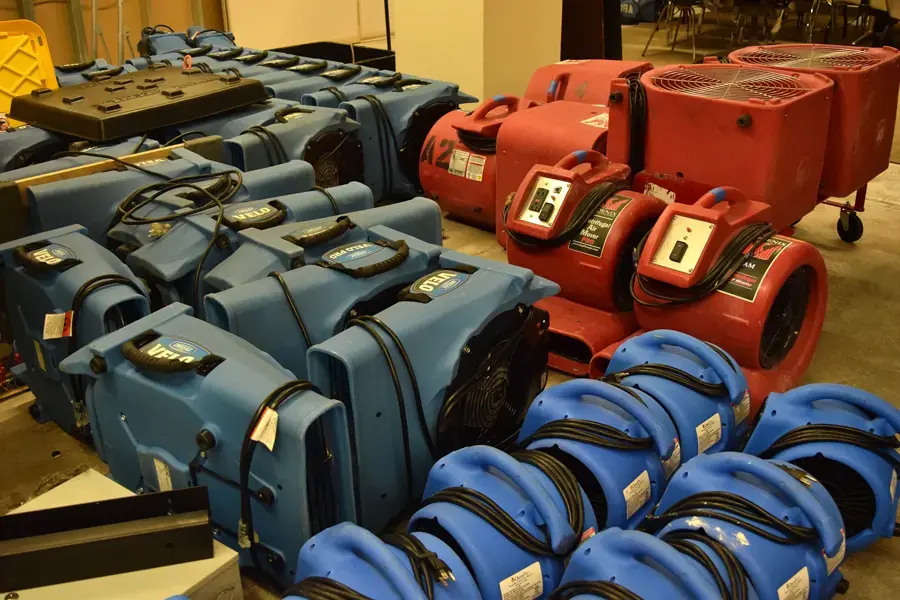
Surfaces dry in a day. Framing, subfloor and wall cavities do not. The drying team sizes air movers and dehumidifiers to the loss and keeps them running until readings reach the goal.
(888) 774-9605Get the drying started today- 24/7 dispatch
- IICRC S500 drying standard
- Truck-mounted extraction
- StandardIICRC S500
- Goal2 to 4 points of dry reference
- EquipmentLGR and desiccant
- LogsDaily readings
Right now
First steps for structural drying in Walnut Creek
- 1
Leave equipment running
Air movers and dehumidifiers work around the clock; turning them off slows drying.
- 2
Keep doors and windows shut
The drying plan counts on controlled air, especially on humid winter days.
- 3
Empty or drain as told
Some units need a drain line or bucket emptied; follow the crew notes.
- 4
Keep a note of changes
New stains, smells or soft spots are worth mentioning at the daily check.
The process
How structural drying is handled in Walnut Creek
- 1
Moisture map
The tech who does the walkthrough records readings in every wet and dry area to set the baseline.
- 2
Classify the loss
The drying team sets the category and class, which decide what is removed and how much equipment each room needs.
- 3
Set and tune equipment
Air movers and LGR or desiccant dehumidifiers go in, then get adjusted as the daily logs come in.
- 4
Verify dry
Equipment comes out only when readings sit within 2 to 4 points of dry reference material.
Typical cost ranges
What does structural drying and dehumidification cost in Walnut Creek, CA?
In Walnut Creek, CA, structural drying typically runs $1,000 to $8,000, driven by the class of the loss, the number of rooms, and how many days the equipment has to run to reach the drying goal.
Class 1 to 2, one area
$1,000 to $2,500
- Air movers
- One LGR dehumidifier
- Daily readings
Class 3, several rooms
$2,500 to $5,000
- Cavity drying
- Multiple dehumidifiers
- Psychrometric logs
Class 4 or large loss
$5,000 to $8,000+
- Desiccant units
- Floor mats
- Full drying documentation
What moves the number
- Class of the loss, from 1 to 4
- Square footage and number of rooms
- Dense materials like hardwood, plaster and concrete
- Days to reach the drying goal
Run your own numbers with the water damage cost calculator. These are typical ranges for the trade, not a quote.
Structural drying is the part of the job most people never see: getting water out of studs, joists, subfloor and wall cavities, not just off the surface. IICRC S500 is the industry drying standard, and it treats drying as a measured process with a clear goal, not a fan left running for a few days.
How the drying team plans a dry-out
- Moisture mapping before any equipment goes down, so the plan matches what is actually wet
- Class of the loss, from Class 1 with little water absorbed to Class 4 with dense materials like hardwood, plaster and concrete
- Air movers sized to the evaporation load of each room
- LGR dehumidifiers, and desiccant units for Class 4 materials
Readings, not the calendar
Every day the crew records temperature and humidity in the room, outside and at the dehumidifier outlet, plus moisture readings from the wet materials. Those psychrometric logs show the drying is working and go into the claim file. Equipment comes out when wet materials read within 2 to 4 points of a dry reference material in an unaffected part of the same building. A contained Class 1 or 2 loss often dries in three to five days; hardwood and plaster take longer.
Drying in the East Bay climate
Winter storms raise outdoor humidity, so the drying team keeps the structure closed and lets dehumidifiers do the work. In summer, dry outside air can help. Either way the EPA overview of mold and moisture in homes explains why drying within 24 to 48 hours matters, and the EPA indoor air quality pages cover moisture and indoor air. Floors often need their own plan, see hardwood floor water damage.
Service area
Structural Drying and Dehumidification across Walnut Creek, CA
The Walnut Creek restoration crew covers ZIP codes 94595, 94596, 94597 and 94598, from the downtown creek channels to the Diablo foothills.
Coverage reaches Downtown Walnut Creek, Rossmoor, Saranap, Northgate, Ygnacio Valley, Tice Valley, Lafayette, Pleasant Hill and Concord.
See every neighborhood and ZIP codeRelated
Related water damage services in Walnut Creek
Questions
Structural drying questions
What does IICRC S500 mean?
It is the industry standard for water damage restoration. It covers how losses are classified, how drying is planned and how dryness is verified.
How do crews know the house is dry?
They compare readings from wet materials to a dry reference material in an unaffected part of the same building. The goal is within 2 to 4 points.
Why do dehumidifiers matter so much?
Air movers evaporate water from materials; dehumidifiers pull that water out of the air. Without them the room just gets humid and drying stalls.
What is a desiccant dehumidifier for?
Desiccants keep working at very low humidity, which dense Class 4 materials like hardwood, plaster and concrete need.
Can I turn the equipment off at night?
It is best not to. Drying runs around the clock, and turning equipment off adds days.
How long does structural drying take?
A contained loss often takes three to five days. Hardwood, plaster, concrete and large losses take longer, and equipment stays until the readings say dry.
24/7 emergency water removal
Water in the walls or floors? Get the structure dried.
The drying team dries framing, subfloor and cavities to the IICRC S500 goal and logs the readings for your insurer.