24/7 water extraction
Water Extraction in Walnut Creek, CA
Every hour water sits, more of it soaks into pad, subfloor and the bottom of the drywall. The extraction crew pulls it out first, then the drying team takes over.
(888) 774-9605Pull the standing water out now- 24/7 dispatch
- IICRC S500 drying standard
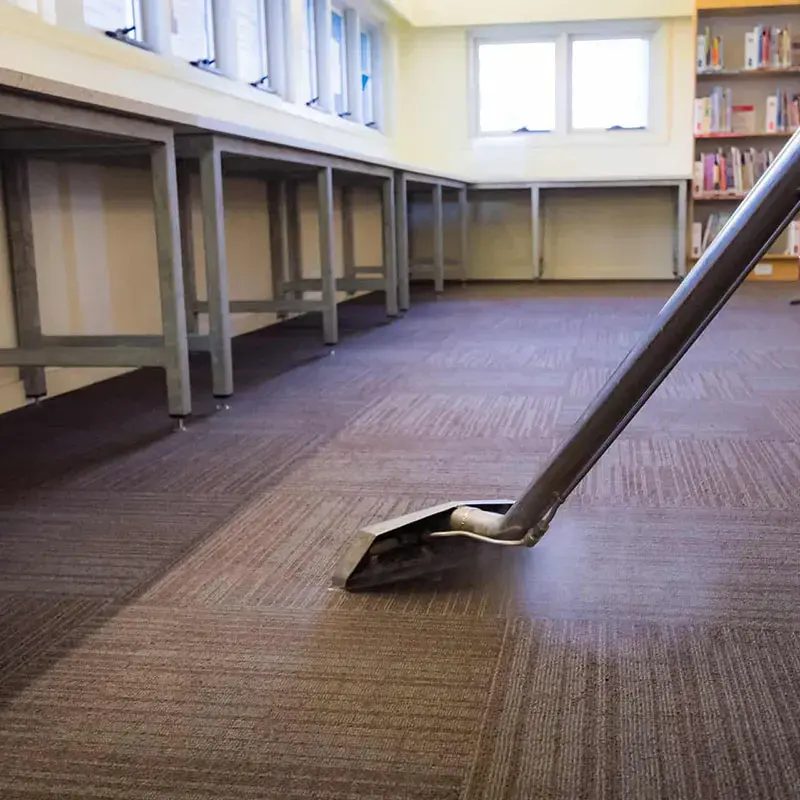
- Truck-mounted extraction
- First moveStop the source
- EquipmentTruck-mounted extraction
- StandardIICRC S500
- Dispatch24/7
Right now
First steps for water extraction in Walnut Creek
- 1
Stop the water
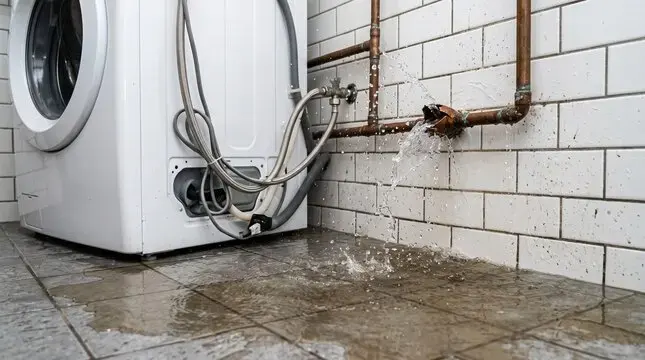
Close the fixture valve or the main shutoff so the extraction crew is not chasing a moving source.
- 2
Kill wet circuits
If the panel is dry and safe to reach, switch off breakers that feed wet rooms.
- 3
Lift what you can
Move rugs, cords and furniture off the wet floor and put foil under legs that stay.
- 4
Photograph first
Take photos of the water and the damage before anything moves, for the claim file.
The process
How water extraction is handled in Walnut Creek
- 1
Map the moisture
The tech who does the walkthrough uses thermal imaging and pinless meters to map every wet surface before any equipment goes down.
- 2
Extract the water
The extraction crew pulls standing water with truck-mounted or portable units, so the water leaves the building instead of spreading.
- 3
Set the drying plan
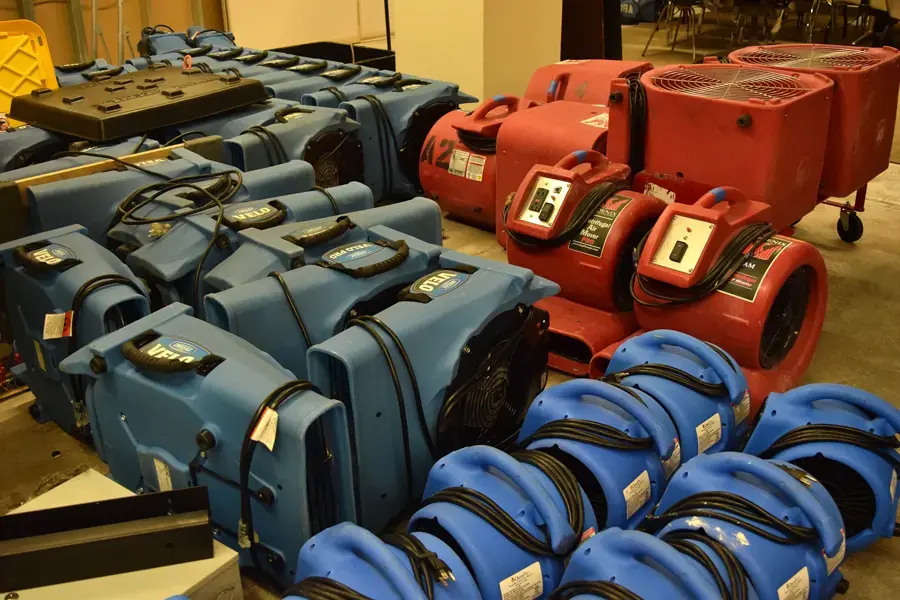
The drying team places air movers and LGR dehumidifiers to match the class of the loss and the evaporation load of each room.
- 4
Verify and document
The crew logs readings daily and removes equipment only when wet materials sit within 2 to 4 points of a dry reference.
Typical cost ranges
What does water extraction and removal cost in Walnut Creek, CA?
In Walnut Creek, CA, water extraction and the drying that follows typically run $500 to $6,000, depending on how many rooms are wet, whether carpet pad has to go, and how fast the extraction started.
One room, clean water
$500 to $1,500
- Extraction
- Two to four air movers
- Daily readings
Several rooms
$1,500 to $3,500
- Carpet and pad decisions
- LGR dehumidifiers
- Baseboard removal
Whole level
$3,500 to $6,000+
- Truck-mounted extraction
- Cavity drying
- Full claim documentation
What moves the number
- Water category, clean versus gray versus black
- Square footage that is wet
- Material class, carpet and pad versus tile and hardwood
- Hours between the leak and the first extraction pass
Run your own numbers with the water damage cost calculator. These are typical ranges for the trade, not a quote.
Extraction is the cheapest drying there is. A gallon of water pulled out with a wand never has to be evaporated by an air mover, so the extraction crew spends the first visit removing as much liquid as the carpet, pad and hard floors will give up. In Walnut Creek that often means working around slab floors in newer tracts and raised wood subfloors in the postwar ranch homes, which drain very differently.
Truck-mounted versus portable extraction
Truck-mounted units sit in the driveway and pull far more water per pass than a portable unit, and the water leaves the building through the hose. Portable extractors reach upstairs condos in Rossmoor and downtown buildings where a hose run is not practical. Most crews use both:
- Weighted extraction tools that squeeze water out of carpet and pad
- Hard-floor wands for tile, vinyl and sealed concrete
- Subfloor and cavity drying once the surface water is gone, covered under structural drying
What the extraction crew checks before leaving
The tech who does the walkthrough maps moisture with a thermal camera and pinless meters, because water travels under baseboards and into the wall bottom plate. Readings from that first map decide how many air movers and dehumidifiers go in. If the water came from a slab pipe, the slab leak has to be isolated before extraction can finish.
Why speed matters here
Mold can begin to grow on wet drywall and carpet backing within 24 to 48 hours, which is why the EPA overview of mold and moisture in homes stresses drying wet materials quickly. If floodwater came in from outside, the Ready.gov flood safety page explains why outside water is treated as contaminated.
Service area
Water Extraction and Removal across Walnut Creek, CA
The Walnut Creek restoration crew covers ZIP codes 94595, 94596, 94597 and 94598, from the downtown creek channels to the Diablo foothills.
Coverage reaches Downtown Walnut Creek, Rossmoor, Saranap, Northgate, Ygnacio Valley, Tice Valley, Lafayette, Pleasant Hill and Concord.
See every neighborhood and ZIP codeRelated
Related water damage services in Walnut Creek
Questions
Water extraction questions for Walnut Creek homes
How fast does standing water need to come out?
As soon as the source is stopped. Water keeps moving into pad, subfloor and drywall, and mold can begin within 24 to 48 hours, so extraction is the first job on every loss.
Can wet carpet be saved?
Often, when the water was clean and extraction started early. Carpet pad usually goes because it holds water like a sponge. Carpet touched by Category 3 water is removed, not dried.
Is a shop vacuum enough?
A shop vacuum lifts surface water but cannot pull water out of pad and carpet backing the way a weighted extraction tool can. Leftover water raises drying time and cost.
Why do crews leave equipment after extraction?
Extraction removes liquid water. The moisture that soaked into framing, subfloor and drywall has to be evaporated with air movers and pulled out of the air with dehumidifiers.
Does homeowners insurance pay for extraction?
Extraction after a sudden and accidental leak is often part of a covered loss. Coverage depends on your policy, so it is worth checking with your own insurer.
What should I photograph before extraction starts?
The standing water, the source if it is visible, wet furniture and any damaged flooring. Photos taken before anything moves help the claim file.
24/7 emergency water removal
Standing water in Walnut Creek? Start the extraction now.
The extraction crew pulls the water first, then the drying team sets equipment to the IICRC S500 goal.